
Blood on your toothbrush can leave you wondering if you brushed too firmly or need a dental appointment. Bleeding gums often reflect inflammation from plaque, but irritation, medications, and other health factors can contribute. The symptom alone cannot tell you which cause applies.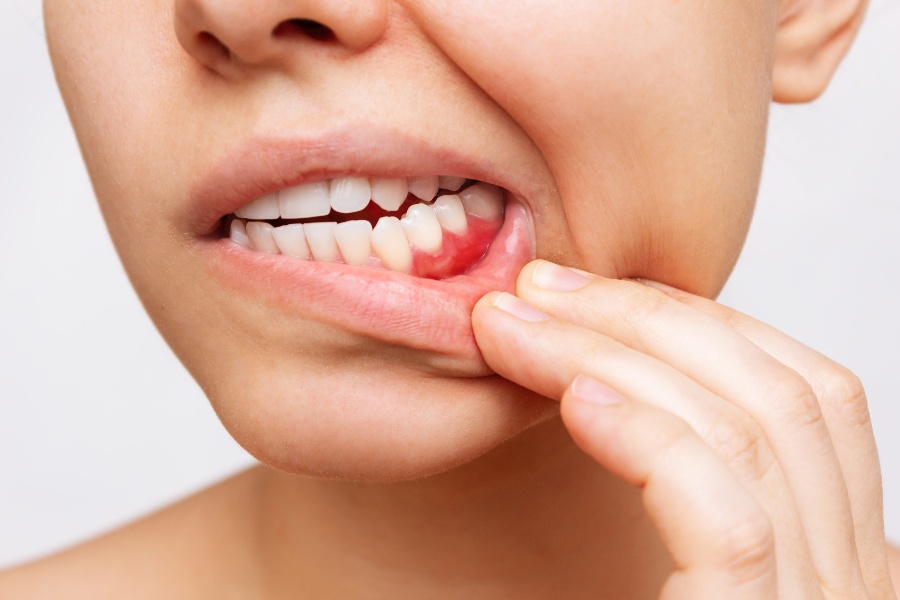
For adults in Bluffton, SC, understanding that distinction helps you choose the next step without unnecessary worry. Palmetto Dental Arts provides preventive and periodontal care to address gum concerns. This article explains common causes, gentle home care, when to seek attention, and what a gum-health evaluation involves.
Key Takeaways About Bleeding Gums
These points can help you decide how to respond when you notice blood during your oral care routine.
- Plaque-related inflammation commonly causes bleeding gums, but brushing injuries, medications, and other health factors can also contribute.
- Gingivitis affects gum tissue; periodontitis involves damage to tooth-supporting structures and requires a different approach to professional care.
- Gentle brushing and daily cleaning between teeth support gum health, but home care cannot remove hardened tartar deposits.
- Recurring bleeding deserves evaluation, even without pain; severe bleeding or swelling with breathing difficulty requires more urgent attention.
- Palmetto Dental Arts offers preventive and periodontal services in Bluffton, helping you understand gum concerns and appropriate treatment options.
What Causes Bleeding Gums?
Plaque buildup is a common cause of bleeding gums, although local irritation and medical factors can produce similar symptoms. Identifying the cause requires more than judging the amount of blood you see.
According to MedlinePlus, causes include gum inflammation, forceful brushing, ill-fitting appliances, pregnancy-related changes, blood thinners, and certain nutritional deficiencies or bleeding disorders.
Plaque Buildup, Gingivitis, and Periodontitis
Plaque bacteria can trigger inflammation along the gum line, making tissue swollen and more prone to bleeding. This early inflammation is called gingivitis. Plaque that remains on teeth can harden into tartar, which requires professional removal.
Gingivitis is usually reversible with professional cleaning and consistent home care. Periodontitis involves damage to the tissues and bone supporting teeth. Bleeding alone cannot distinguish the two; early detection helps your dental team identify the appropriate treatment.
Brushing, Flossing, and Dental Appliance Irritation
Too much brushing pressure or floss snapped against the gums can injure tissue. Dentures and other appliances that rub or fit poorly can also cause irritation. These mechanical causes may coexist with gum inflammation.
Use gentle technique rather than scrubbing harder. If an appliance creates sore spots, ask your dentist to check its fit. Bleeding after restarting flossing should not automatically be dismissed as normal adjustment; inflamed gums may be the reason it occurs.
Medications, Pregnancy, and Other Health Factors
Blood thinners can make gum bleeding more noticeable, while pregnancy-related hormonal changes can increase the gums' sensitivity to plaque. Uncontrolled diabetes also increases the risk of gingivitis. Tell your dental team about your medical history and all medications you take.
Vitamin C or vitamin K deficiency and bleeding disorders are other possible causes. Do not diagnose a deficiency or change prescribed medicine yourself. Your dentist may recommend medical evaluation when bleeding does not fit the dental findings.
Understanding the connection between gum and overall health can help you discuss relevant health changes with both your dentist and physician.
When Should You See a Dentist for Bleeding Gums?
Schedule a dental evaluation when bleeding recurs, continues despite gentle care, or accompanies swollen gums, persistent bad breath, recession, or loose teeth. Pain is not required for gum disease to be present.
Severe bleeding or bleeding that will not stop with gentle gauze pressure needs urgent professional assessment. Contact your dentist promptly for fever, pus, or facial swelling; these can accompany infection. Mention other unexplained symptoms to a medical professional as well.
Difficulty breathing or swallowing with mouth or facial swelling is an emergency. Seek emergency medical care immediately rather than waiting for a routine appointment.
How to Care for Bleeding Gums at Home
Gentle plaque removal supports inflamed gums while you arrange appropriate care. Brush twice daily with a soft-bristle toothbrush, and clean between teeth daily without forcing floss into the tissue.
Consistency matters more than scrubbing harder. Ask your hygienist to demonstrate comfortable flossing technique or help you choose an interdental cleaning aid suited to your mouth.
Home care cannot remove hardened tartar. MedlinePlus explains that gingivitis treatment combines professional deposit removal with ongoing oral care. A rinse may be recommended, but it does not replace brushing, interdental cleaning, or evaluation.
A balanced diet and avoiding tobacco also support your care plan. Maintaining healthy gums involves daily habits and follow-up tailored to your needs, not a single product.
What Happens During a Gum-Health Evaluation?
A gum-health evaluation reviews your symptoms, oral care habits, medications, and the condition of the tissues around your teeth. Your dentist or hygienist examines the gums and measures the pockets around teeth with a small probe.
Dental X-rays may be appropriate to assess supporting bone. Your team uses the findings to distinguish gingivitis from periodontitis and discuss treatment. Tell them if you feel uncomfortable so they can explain the examination and address your concerns.
Palmetto Dental Arts provides preventive care and gum therapy. A professional cleaning may be part of care for gingivitis; deeper periodontal treatment may be needed when disease affects tooth-supporting structures.
Gum-Health Care in Bluffton, SC
Palmetto Dental Arts offers periodontal services in Bluffton to evaluate and treat gum disease. The goal is to identify what is causing your symptoms and explain care options that fit your findings and health history.
If bleeding has become a recurring concern, you can request a gum-health evaluation. Call Palmetto Dental Arts at 843-790-7211 or contact us online. Share your symptoms when scheduling so the team can advise you about the appropriate next step.
FAQs About Bleeding Gums
Can Gums Bleed Without Pain?
Yes. Gingivitis can cause bleeding with little or no discomfort, so painless bleeding still deserves attention when it recurs. Palmetto Dental Arts provides gum evaluations to help identify inflammation and determine whether your teeth's supporting tissues need further assessment.
Should I Stop Flossing If My Gums Bleed?
Minor bleeding generally calls for gentle cleaning rather than abandoning your routine. Avoid snapping floss into the gums. Palmetto Dental Arts' hygiene team can explain technique and appropriate cleaning aids. Seek assessment for recurring bleeding, and urgent advice for heavy or uncontrolled bleeding.
Can Mouthwash Treat Bleeding Gums?
A dentist-recommended rinse may help manage inflammation, but mouthwash does not remove tartar or establish why gums bleed. Palmetto Dental Arts can discuss rinse options as part of your care plan. Continue gentle brushing and interdental cleaning rather than relying on a rinse alone.
Does Bleeding Always Mean I Have Gum Disease?
No. Brushing injuries, appliance irritation, medications, pregnancy-related changes, and some medical conditions can also cause bleeding. A dental examination helps identify local causes. Depending on your symptoms and medical history, your dentist may recommend that you also consult your physician.