
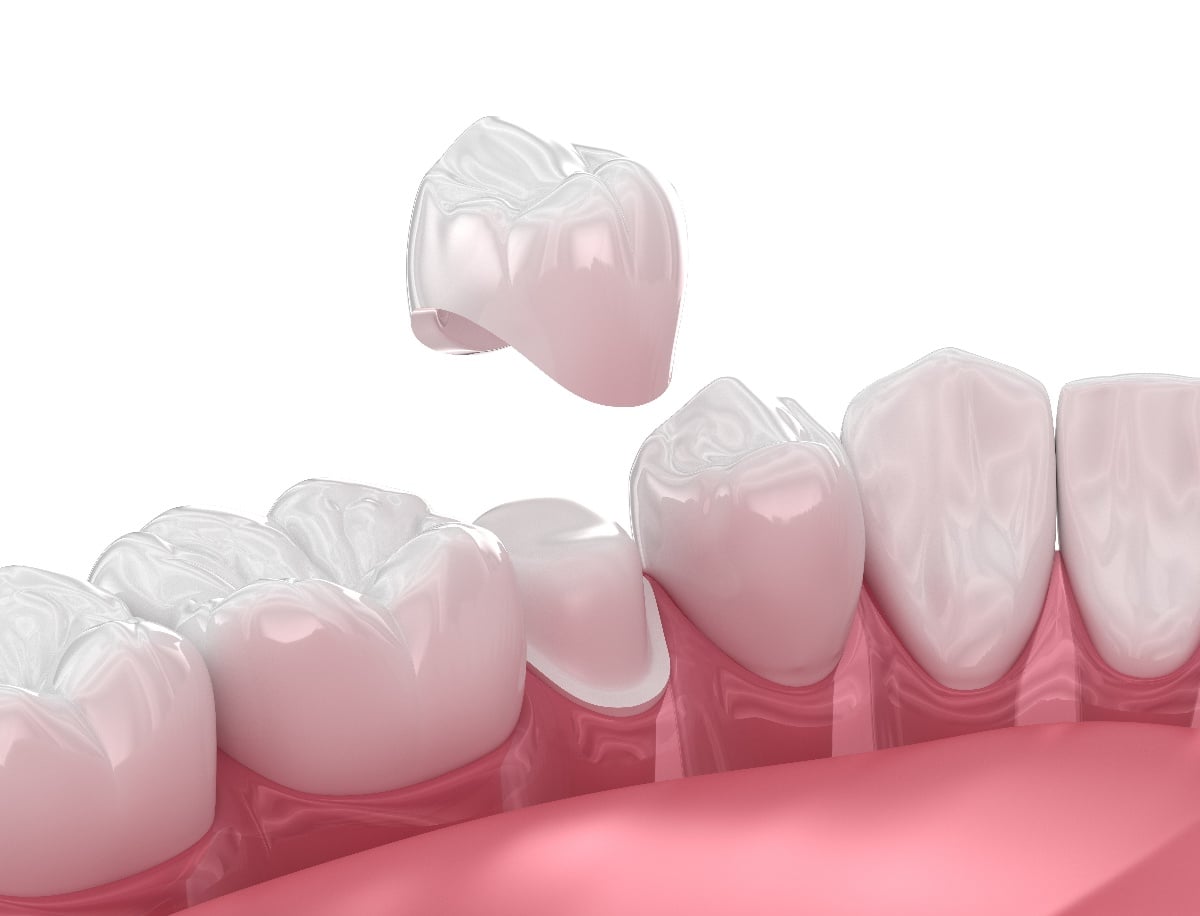
You may need a dental crown when a tooth is too weakened by decay, fracture, or a large filling to function reliably with a smaller repair. Pain is not the deciding factor. Your dentist must examine the tooth to determine how much healthy structure remains.
If you are wondering about a dental crown, understanding the reason for treatment can make the decision clearer. Palmetto Dental Arts helps patients in Bluffton, SC evaluate damaged teeth and understand their restorative options. Here are the signs worth discussing and what your dentist considers before recommending full coverage.
Key Takeaways: When You Might Need a Dental Crown
- A crown may protect a weakened tooth when fractures, extensive decay, or a large filling leave insufficient support.
- Chewing discomfort and temperature sensitivity deserve an examination, but neither symptom automatically means you need a dental crown.
- Root canal treatment often requires a protective restoration; the choice depends on tooth location and remaining healthy structure.
- Fillings and onlays may preserve more tooth structure when damage is limited and full coverage is unnecessary.
- Palmetto Dental Arts offers CEREC ceramic restorations, allowing suitable patients to receive a custom crown in one appointment.
What Is a Dental Crown?
A dental crown is a custom-made covering that restores the visible portion of a damaged tooth. Sometimes called a cap, it replaces lost tooth shape and provides coverage around the remaining structure.
Unlike a filling, which repairs a specific area, a crown covers the prepared tooth. The American Dental Association explains that crowns support weakened teeth, including teeth with large fillings and too little natural structure remaining.
Materials include ceramics and metal alloys. Choosing among crown materials involves considering tooth location, bite forces, appearance, and your clinical needs.
Signs You May Need a Dental Crown
Structural damage is the main reason a tooth may need a crown. These situations warrant evaluation, rather than self-diagnosis.
Broken or Cracked Teeth
A broken cusp or deeper crack may need protective coverage. Small chips may need only bonding or a filling. The American Association of Endodontists explains that treatment depends on the crack's type, location, and extent. A crown cannot guarantee that a crack will stop progressing. 
Large or Failing Fillings
A large filling may leave thin tooth walls vulnerable to fracture. If an old restoration breaks or decay develops around it, your dentist evaluates whether another filling can provide adequate support. Filling size alone does not determine the answer.
Extensive Tooth Decay
Extensive decay can leave too little healthy tooth for a filling to hold reliably. Crown restoration may involve rebuilding the tooth's foundation before placing the covering. A crown does not make the remaining tooth immune to decay.
Discomfort When Chewing
Pain when biting or releasing pressure may accompany a crack or another dental problem. Temperature sensitivity can also have several causes. An examination is necessary to identify the source before selecting treatment.
 Significant Tooth Wear
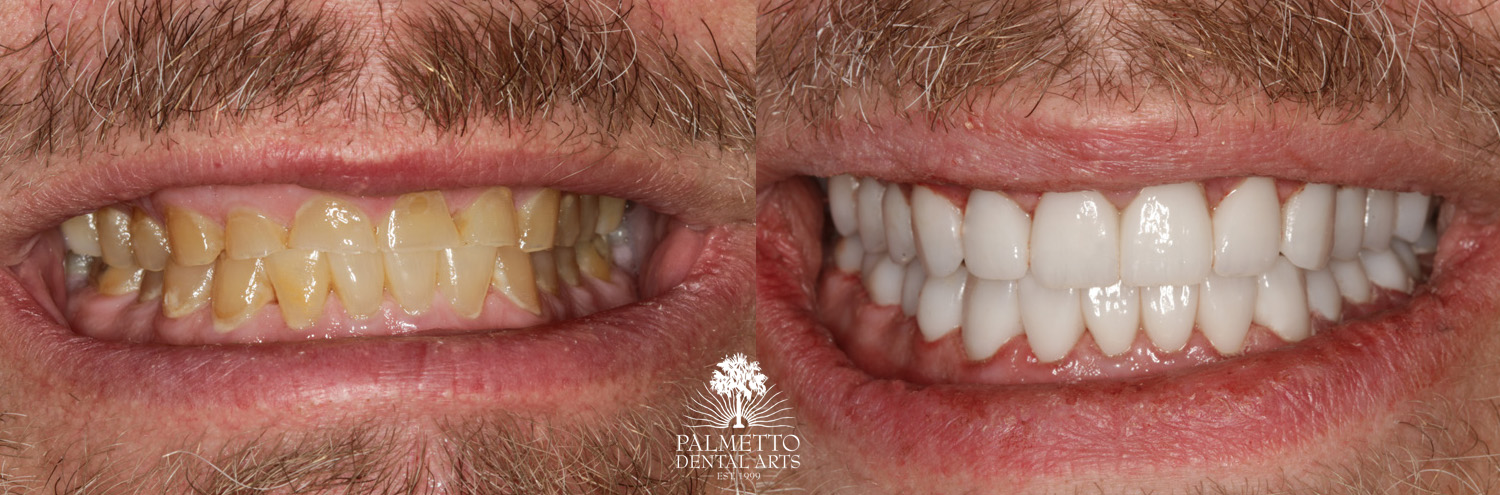
Grinding or erosion can reduce tooth structure and change chewing surfaces. Restorative dentistry may help rebuild damaged teeth, but the cause of wear also needs attention. Not every worn tooth requires a crown.
Do You Need a Crown After a Root Canal?
A tooth may need a crown after root canal treatment, particularly when substantial tooth structure is already missing. Root canal therapy treats inflamed or infected tissue inside the tooth; the final restoration protects and seals the remaining tooth.
Back teeth handle substantial chewing pressure, making protective coverage especially important in many cases. Some front teeth with adequate structure may be restored with a bonded filling. Your dentist considers existing decay, previous restorations, cracks, and bite forces rather than recommending the same restoration for every tooth.
Do You Need a Crown or a Filling?
A filling may be sufficient when the damaged area is limited and enough strong tooth remains. An onlay covers selected chewing surfaces and may be an alternative when a filling is insufficient but full coverage is unnecessary.
A crown requires reshaping the tooth, so the decision should balance protection with preservation. Palmetto Dental Arts provides fillings and crowns as part of general dental care. Understanding why one option is recommended helps you make an informed choice.
How Does Your Dentist Decide You Need a Crown?
Your dentist evaluates the tooth's remaining structure, symptoms, bite, and surrounding tissues. Examination may include X-rays, targeted bite tests, and other tests when appropriate. Some cracks are difficult to see and may not appear on standard X-rays.
Ask: What damage needs protection? Could a filling or onlay work? What are the risks of waiting? If the reasoning remains unclear, a dental second opinion can help you understand your options.
Dental Crown Care in Bluffton, SC
The practice's digital dental technology supports restorative planning. To discuss a damaged tooth or a crown recommendation, call Palmetto Dental Arts in Bluffton at 843-790-7211 and request an evaluation.
FAQs About Needing a Dental Crown
Can a Tooth Need a Crown Without Hurting?
Yes. A tooth can have weakened walls or a fracture without obvious discomfort. Palmetto Dental Arts provides examinations to identify structural concerns and explain treatment options. Absence of pain does not confirm that a tooth is healthy or needs no care.
Does Tooth Sensitivity Mean I Need a Crown?
No. Sensitivity alone does not establish that a crown is needed. Decay, exposed tooth surfaces, cracks, and other conditions can cause similar symptoms. Palmetto Dental Arts can evaluate the cause before discussing an appropriate repair or another treatment.
How Long Can I Wait for a Recommended Crown?
There is no universal safe waiting period. Timing depends on the damage, symptoms, and fracture risk. Ask your dentist for individualized guidance. Contact a dentist promptly for a newly broken tooth or worsening pain rather than waiting for a routine appointment.
Can I Get a Crown in One Visit?
Yes, suitable cases can be completed in one visit with CEREC at Palmetto Dental Arts. Other teeth may require laboratory work or additional treatment first. Your dentist can explain which approach fits your tooth and what the appointment sequence involves.