
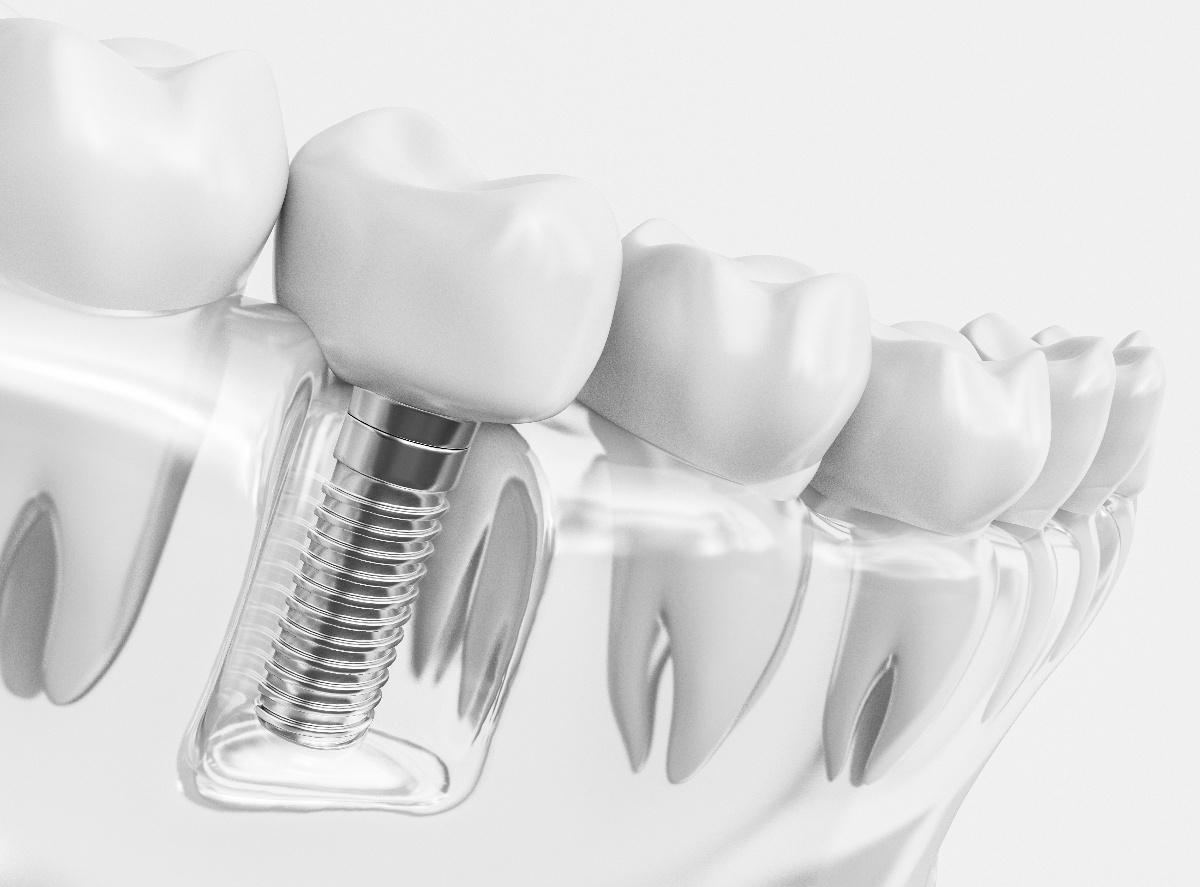
 Planning time off work and meals after surgery is easier when you understand the different stages of dental implant recovery time. The surgical appointment is one part of treatment. Feeling comfortable again and having an implant ready to support your final tooth happen on different schedules.
At Palmetto Dental Arts in Bluffton, we explain your treatment timeline before care begins. Here is how surgery, early recovery, and longer-term healing fit together, including what can make your individual plan take longer.
Key Takeaways: Dental Implant Procedure and Recovery
- A straightforward implant appointment may take around 90 minutes; multiple implants, extractions, or sedation can require additional time.
- Early recovery often takes about a week, although returning to light daily activities may be possible sooner.
- Bone healing commonly takes several months, even when your gums feel comfortable and your daily routine has resumed.
- Bone grafting, gum disease, smoking, and individual health factors can extend the time needed to complete implant treatment.
- Palmetto Dental Arts coordinates implant planning, surgical care, and final restorations in one Bluffton location for continuity throughout treatment.
How Long Does Dental Implant Surgery Take?
A straightforward dental implant appointment may take around 90 minutes, according to Leeds Teaching Hospitals. This is a general planning reference, not a guaranteed appointment length. Your dental team will estimate the time needed for your procedure.
Local anesthesia numbs the area before your clinician prepares the jawbone, places the implant, and closes the gum tissue. Multiple implants, tooth extractions, or grafting can make the visit longer.
If you choose IV sedation, allow time for preparation and monitored recovery. Arrange a responsible adult to drive you home and follow your team's restrictions on driving and other activities afterward.
What Happens During the First Week of Recovery?
Soreness, swelling, minor bleeding, and bruising can occur during the first few days. Early recovery often takes about a week, although the extent of surgery affects how you feel. Follow your clinician's instructions for pain relief, cold compresses, and cleaning around the surgical site.
Choose soft foods such as yogurt, scrambled eggs, and mashed potatoes while the area heals. Avoid chewing directly on the surgical site unless your clinician advises otherwise.
Some people return to light activities within two to three days. Physically demanding work and strenuous exercise may need a longer pause. Your dental team can help you plan around the extent of treatment and any sedation or medication effects.
Why Does Dental Implant Healing Take Several Months?
Dental implants need several months because jawbone must bond with the implant surface. This process, called osseointegration, creates the foundation that supports chewing forces. The American Dental Association explains that bone grows around the implant to hold it securely.
Palmetto Dental Arts describes a typical healing period of three to six months before final implant bridges or dentures. Some patients need longer. Comfortable gums do not prove the bone underneath is ready for full chewing pressure.
After your clinician confirms adequate healing, the restorative phase includes the connector, impressions or scans, and your final tooth or teeth. Planning the appearance and function of the final restoration may require additional appointments rather than one final visit. 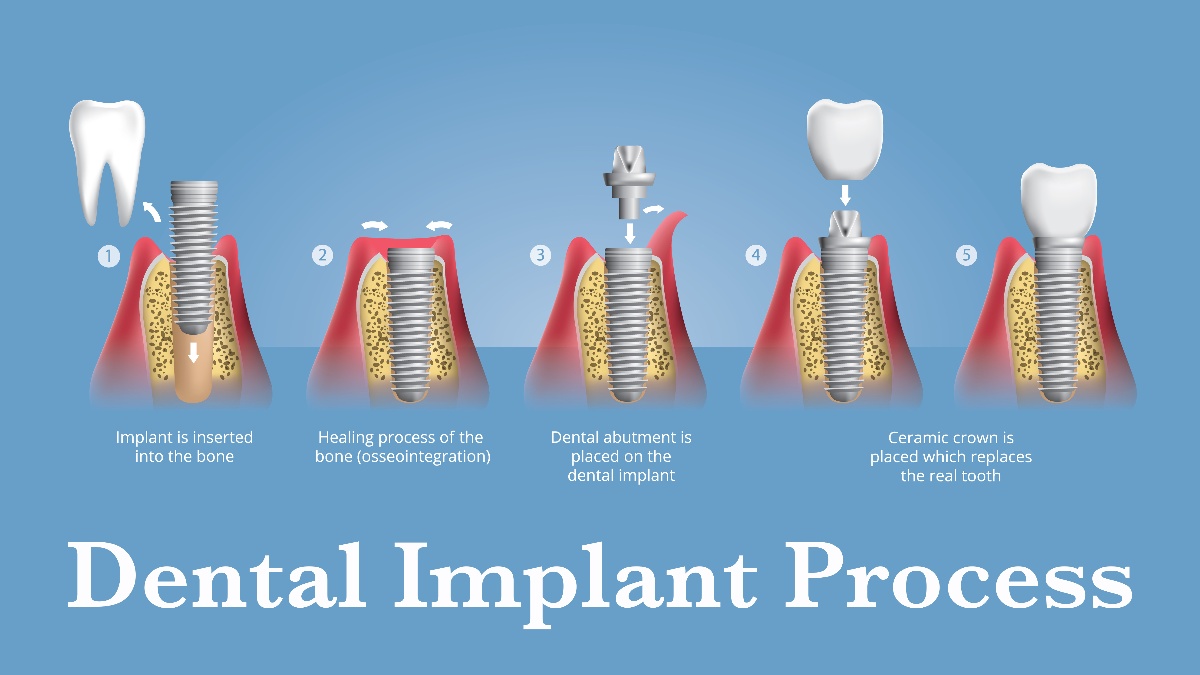
What Can Extend Your Dental Implant Timeline?
Preparatory treatment and individual healing factors can extend your dental implant timeline. If you need a bone graft, the graft may need several months to mature before implant placement. Smaller grafts can sometimes be completed during implant surgery, so the timelines do not always add together.
Active periodontal disease may need treatment first. Depending on your condition, gum disease treatment helps establish a healthier foundation before implant care proceeds.
Smoking, poorly controlled diabetes, and medications affecting bone health can also influence planning or healing. Share your complete medical history with your clinician, and do not stop prescribed medications on your own.
Does Teeth in a Day Mean Recovery Is Complete?
No. Teeth in a Day means eligible patients may receive temporary replacement teeth shortly after implant placement. Those teeth provide a provisional restoration while the implants continue bonding with bone.
Palmetto Dental Arts offers immediate temporary teeth for suitable patients, but eligibility depends on your treatment plan and implant stability. A same-day restoration does not mean unrestricted eating or completed healing.
For more extensive full-mouth rehabilitation, the transition to final teeth follows clinical evaluation. Continue dietary precautions and follow-up visits even when your temporary teeth feel comfortable.
Planning Your Implant Care in Bluffton
Your personal timeline starts with an evaluation of your gums, bone, medical history, and tooth-replacement needs. Palmetto Dental Arts provides coordinated dental implant care, including imaging, planning, surgical placement, and restoration in one location.
To discuss appointment time, recovery needs, and temporary tooth options, schedule your consultation online or call 843-790-7211. Bring questions about work, meals, and upcoming travel so your plan reflects your daily life.
FAQs About Dental Implant Recovery Time
How soon can I work after dental implant surgery?
You may be ready for desk-based work within a few days, depending on your procedure and how you feel. Physical work may require longer. Ask Palmetto Dental Arts for guidance that accounts for your surgery, medications, and sedation restrictions.
When can I eat normally after dental implant placement?
Return to firmer foods only as your clinician advises. Comfortable gums do not mean the implant is ready for unrestricted chewing. Palmetto Dental Arts can explain dietary precautions for your specific implant and temporary restoration, particularly after full-arch treatment.
When should I contact my dentist during implant recovery?
Contact your dentist promptly for worsening pain or swelling, persistent bleeding, fever, pus, or a loose implant or restoration. Ask Palmetto Dental Arts how to reach the team with postoperative concerns. Difficulty breathing or swallowing requires immediate emergency care.