-
Recognize the warning signs of problematic veneers, such as gaps, chips, discomfort, or unnatural appearance, and understand that these issues can be professionally addressed.
-
There are multiple solutions for fixing bad veneers, ranging from minor repairs and re-bonding to full replacement, all designed to protect your natural teeth and restore your confidence.
-
Palmetto Dental Arts uses advanced 3D imaging, experienced specialists, and a patient-first approach to deliver seamless, long-lasting veneer corrections tailored to your unique needs.
When veneers look bulky, feel rough, or create dark lines at your gums, you're experiencing what dental research shows are common issues like poor fit and color mismatch. But here's what many patients don't realize: fixing bad veneers doesn't mean you're stuck with an imperfect smile forever.
The right cosmetic dentist can diagnose what caused the issue and restore your confidence with solutions that protect your natural teeth. You'll discover how to spot problem veneers, understand your repair versus replacement options, and learn what the step-by-step correction process looks like. Ready to get your smile back on track? Palmetto Dental Arts combines advanced technology with compassionate care to deliver the natural-looking results you deserve.
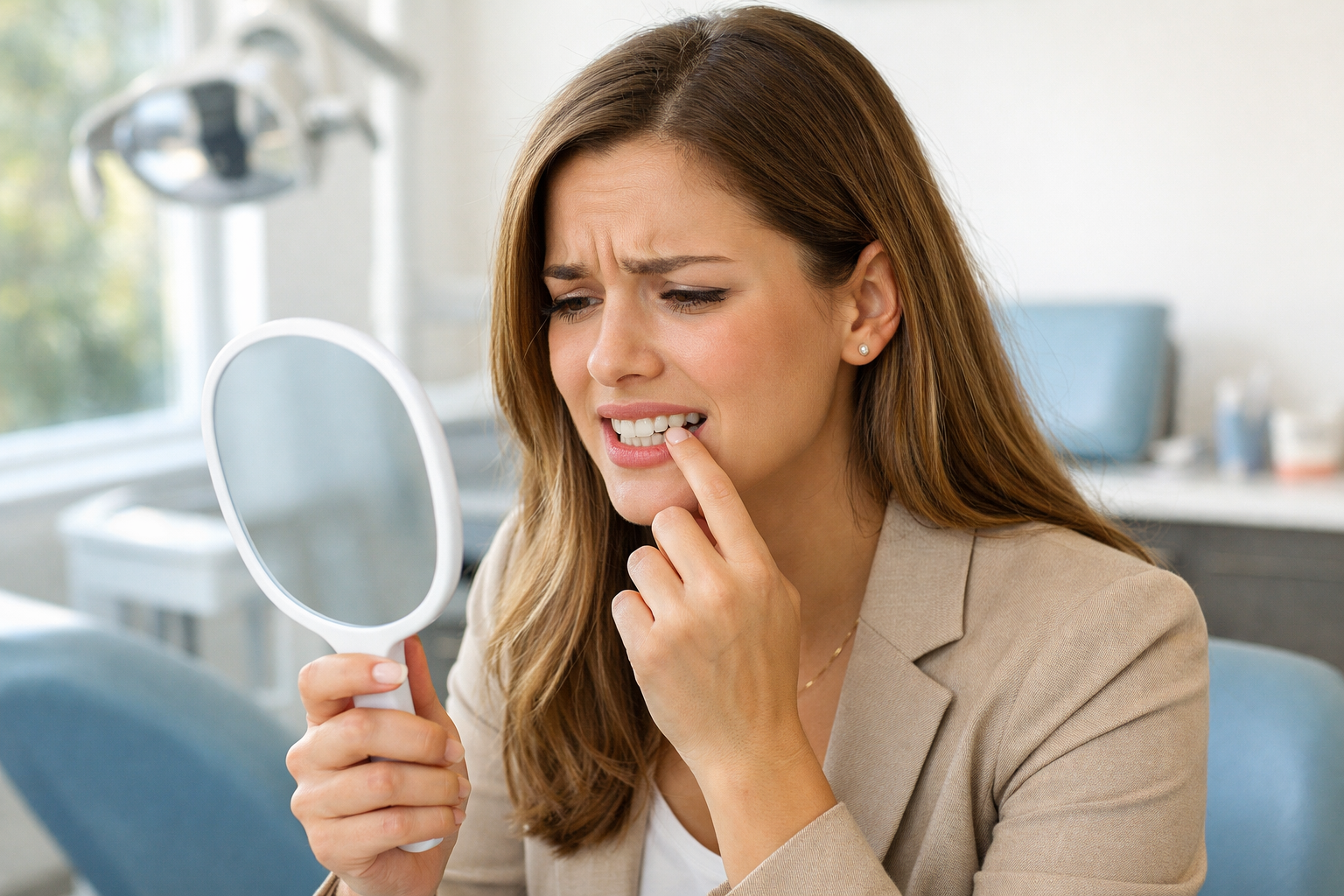
Young professional woman checks her smile in a handheld mirror while a friendly dentist gestures reassuringly in a bright, sunlit consultation room with clean white and calming blue tones and a softly blurred background.
How To Tell If Your Veneers Need To Be Fixed
You invested in veneers for that perfect professional smile, but something feels off when you look in the mirror or speak during presentations. How can I tell if my veneers need to be fixed? Veneers that need attention usually give clear warning signs that are easy to spot. Recognizing these red flags early helps you address concerns before they affect your confidence at work or in social settings.
Visible Gaps, Chips, and Thickness Concerns
Watch for visible gaps at the edges where your veneer meets your natural tooth. Dark lines appearing at the gum line or obvious chips and cracks are also clear indicators. Research shows these are common signs of veneer failure that require professional attention. If your veneers feel too thick and affect your speech or make biting uncomfortable, the fit likely needs adjustment. These physical changes often indicate complications with how they were attached or fitted initially.
Beyond Visible Damage: Sensitivity and Bite Discomfort
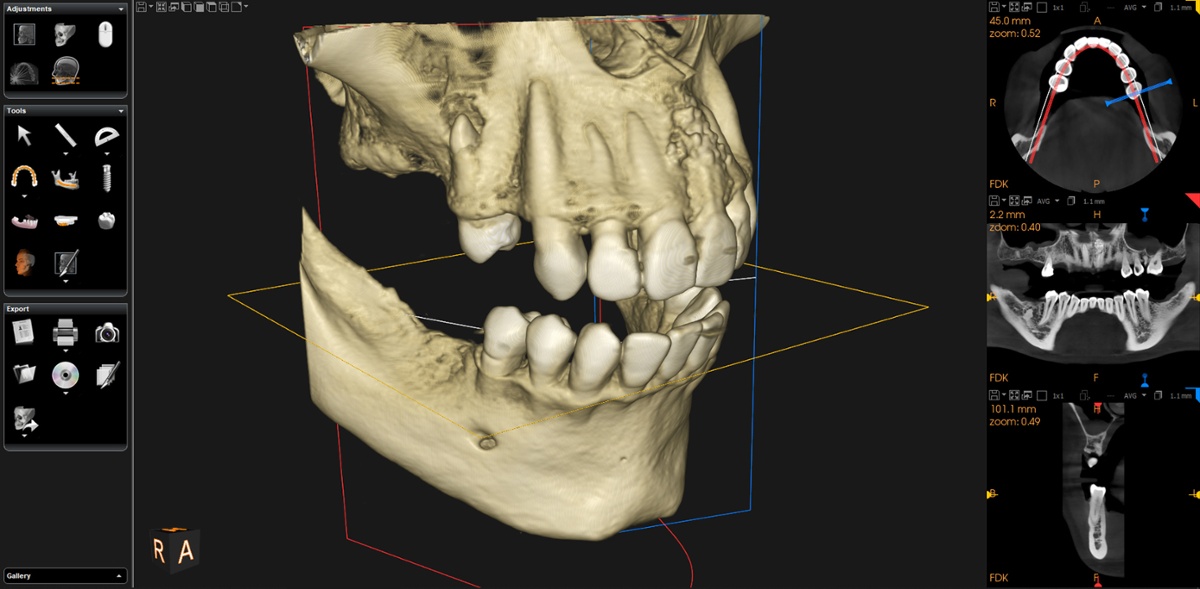
You might also notice ongoing sensitivity or soreness around your veneers, which can signal bite misalignment or bonding complications. The ADA notes that while some initial sensitivity is normal, persistent discomfort isn't. At Palmetto Dental Arts, we use precise 3D imaging and bite analysis to diagnose these difficulties accurately. Modern diagnostic technology helps identify the underlying cause, whether it's an uneven bite or compromised attachment.
Color and Shape Mismatches That Affect Your Confidence
Finally, veneers that look too opaque, unnaturally white, or don't follow your natural lip line usually point to planning or lab fabrication difficulties. Common concerns include color mismatches that make veneers stand out rather than blend seamlessly. These aesthetic challenges often stem from inadequate initial planning rather than any fault with your natural teeth. Our cosmetic dentistry approach focuses on creating natural-looking results that complement your unique smile. Understanding common misconceptions about veneers can also help you recognize when something genuinely needs attention.
If you notice any of these signs, a consultation can help determine the best path forward for restoring your smile and confidence.
Close-up dental consultation with a patient touching a front tooth while a clinician points to a chairside monitor showing teeth with highlighted veneer margins in a bright, calm clinic setting.
Your Options for Repairing Bad Veneers
You're not stuck with veneers that don't look or feel right. When your smile isn't working, you have several paths forward that can restore both your confidence and your oral health.
The right choice depends on what went wrong and how we can best protect your natural teeth. Here are your options:
- Polish and refine rough edges or minor chips when the veneer bond remains strong
- Spot-repair small fractures with composite resin bonding techniques
- Re-bond loose veneers using improved adhesives and better sealing methods
- Replace individual veneers when color or shape doesn't match your smile goals
- Redesign your front teeth when multiple veneers need coordination for natural results
When porcelain damage exposes underlying materials, specialized repair systems can restore both strength and appearance. These techniques are backed by dental research that shows proper surface preparation creates strong, lasting bonds for repairs.
The good news? Most veneer problems have conservative solutions that protect your natural teeth. Many concerns patients have about veneers can be addressed without starting over completely, as we discuss in our guide to common veneer misconceptions. Our team will evaluate your specific situation and recommend the approach that gives you the most predictable, long-lasting results with your cosmetic dentistry goals in mind.
Step-by-Step: The Veneer Fix Process at Palmetto Dental Arts
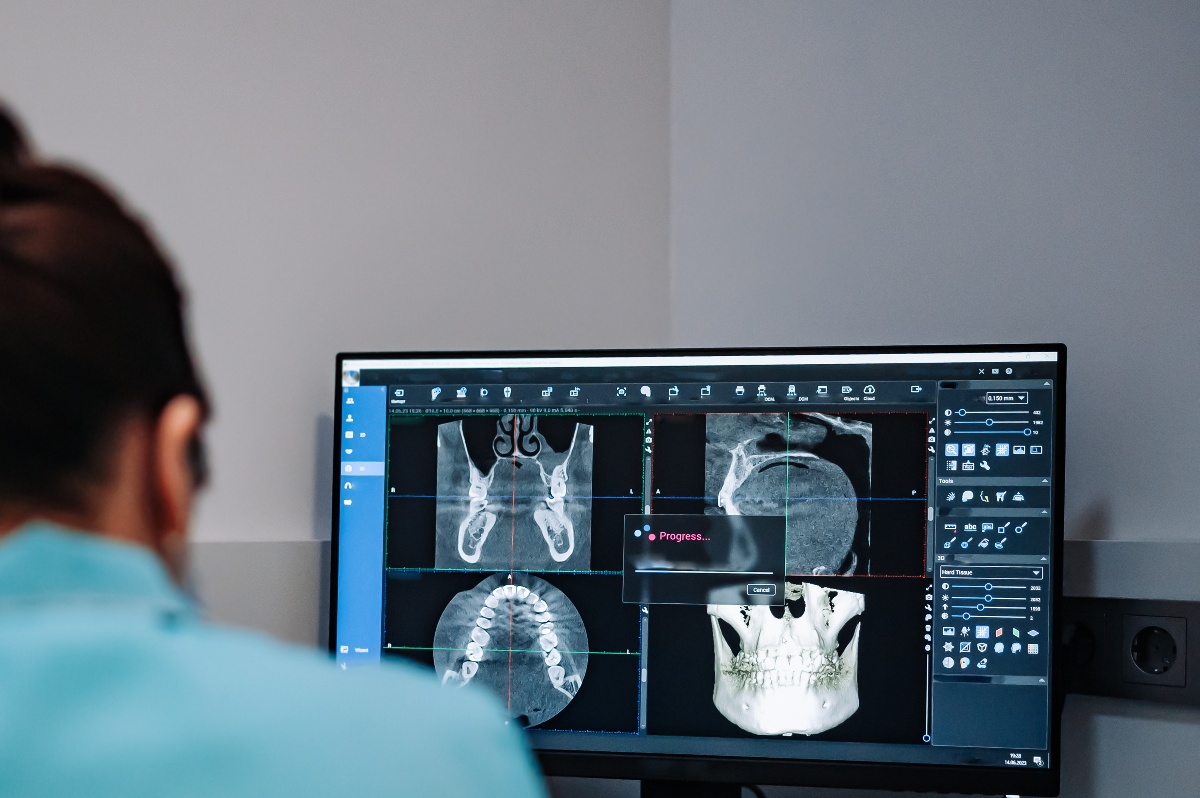
The veneer replacement process begins with comprehensive digital evaluation using state-of-the-art 3D imaging and high-resolution photography. Our team captures precise bite measurements and creates a detailed treatment plan that shows you exactly what your new smile will look like before any work begins. This technology-driven approach, supported by the American Dental Association, allows us to address the specific issues with your current veneers while protecting your natural tooth structure.
Once we've completed the evaluation, we use conservative removal techniques that preserve your enamel and place custom provisional veneers for you to test. These temporaries let you experience the new shape, shade, and feel before we create your final porcelain or composite cosmetic dentistry solution. The final bonding and placement process follows proven clinical protocols that ensure your new veneers fit naturally with your bite and gum line for lasting comfort and natural beauty.
Minimal infographic showing a four-step dental veneer workflow from Diagnose (3D imaging) to Design (smile preview), Temporaries (try-in), and Final Veneers (final bond) in a clean three-column layout with a summary column and brand colors for clarity.
Fixing Bad Veneers: FAQs
When something feels off about your veneers, you want clear answers about your options. These common questions address the signs that indicate problems, available solutions, and what you can expect from the repair process.
How can I tell if my veneers need to be fixed?
Look for visible gaps at the gum line, dark edges, or chips in the porcelain. If your veneers feel bulky, affect your speech, or cause sensitivity when biting, these signal fit or bonding issues. Color mismatches or an unnatural appearance also indicate problems that can be corrected.
What are my options for repairing bad veneers?
Minor chips or rough edges can often be polished or spot-repaired if the veneer is otherwise sound. Loose veneers may be re-bonded with improved techniques. When color, shape, or fit is significantly mismatched, replacement veneers provide the most predictable, long-lasting solution.
Can bad veneers be replaced without damaging my natural teeth?
Yes, with skilled technique. Advanced removal methods preserve your natural enamel underneath. Conservative preparation (minimal tooth reduction) and updated bonding protocols (stronger adhesive systems) protect tooth structure during replacement. The key is working with experienced practitioners who prioritize preserving your natural teeth.
How long do veneer repairs typically last?
Expert veneer repairs can extend your smile's life significantly when done correctly. Clinical studies show that quality bonding and material selection are crucial for longevity. Complete replacements using current materials and techniques often last 10-15 years with good care.
Will insurance cover veneer repairs or replacements?
Coverage varies by plan and the reason for replacement. If veneers fail due to trauma or functional issues, some insurance may apply. Cosmetic improvements are usually not covered, but financing options can make treatment accessible and affordable for your budget.
Dentist and senior patient smiling and reviewing a digital dental treatment plan on a large screen in a bright, modern operatory with natural window light and a clean background.
Restore Your Smile with Compassionate, Advanced Care in Bluffton
Bad veneers don't have to stay that way. Whether you're dealing with poor fit, color mismatches, or bite problems, the right diagnosis and treatment plan can restore function and confidence.
The good news is that cosmetic dentistry in Bluffton offers proven solutions. At Palmetto Dental Arts, our in-house specialists use state-of-the-art 3D imaging and 25 years of experience to fix veneer problems. From minor repairs to complete full mouth rehabilitation, we provide transparent pricing, flexible financing, and digital scheduling that fits your professional schedule.
Ready to feel confident in your smile again? Explore your options and schedule your consultation with Palmetto Dental Arts.